


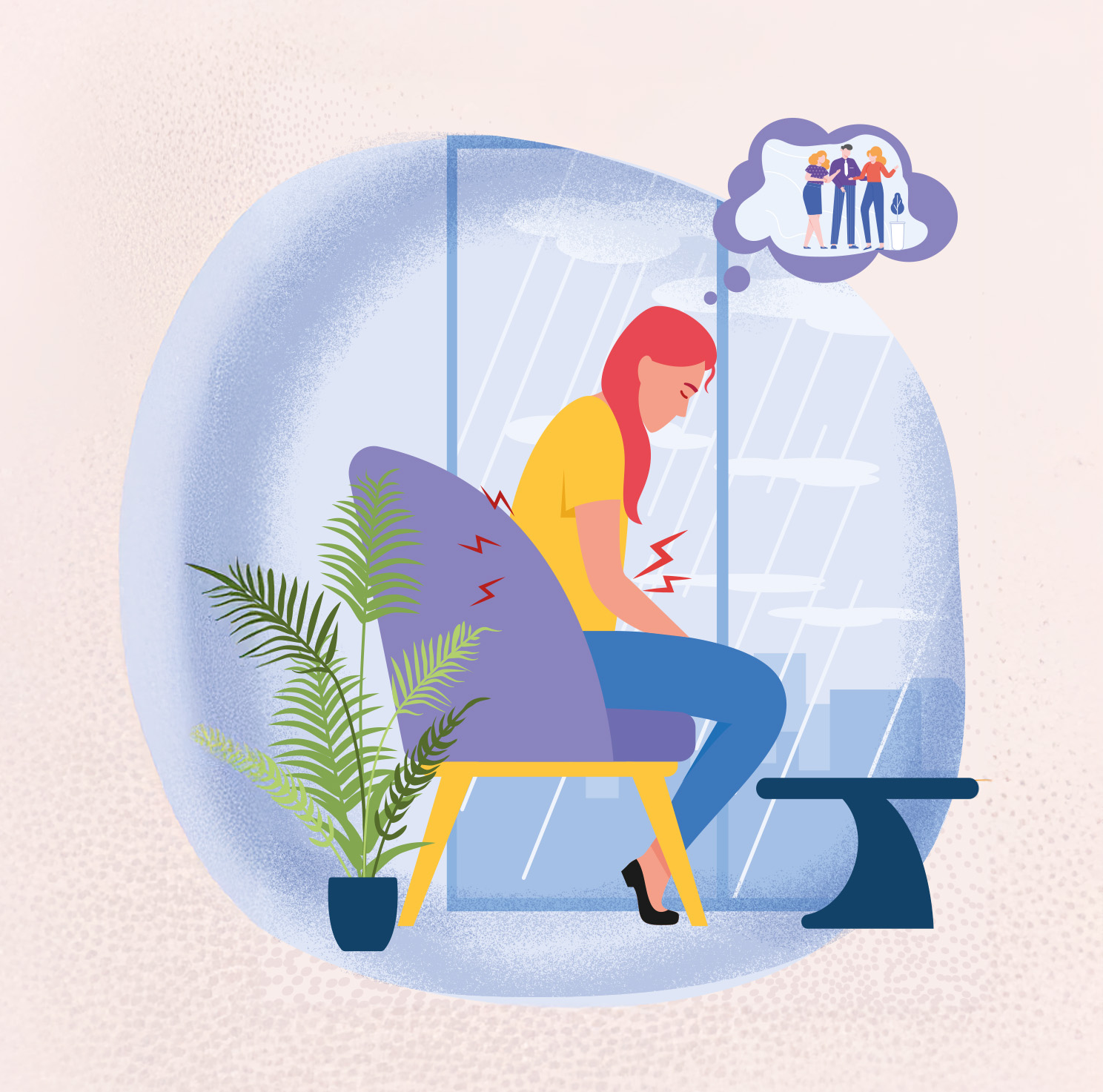
Vivir con dolor crónico
Experiencias reales
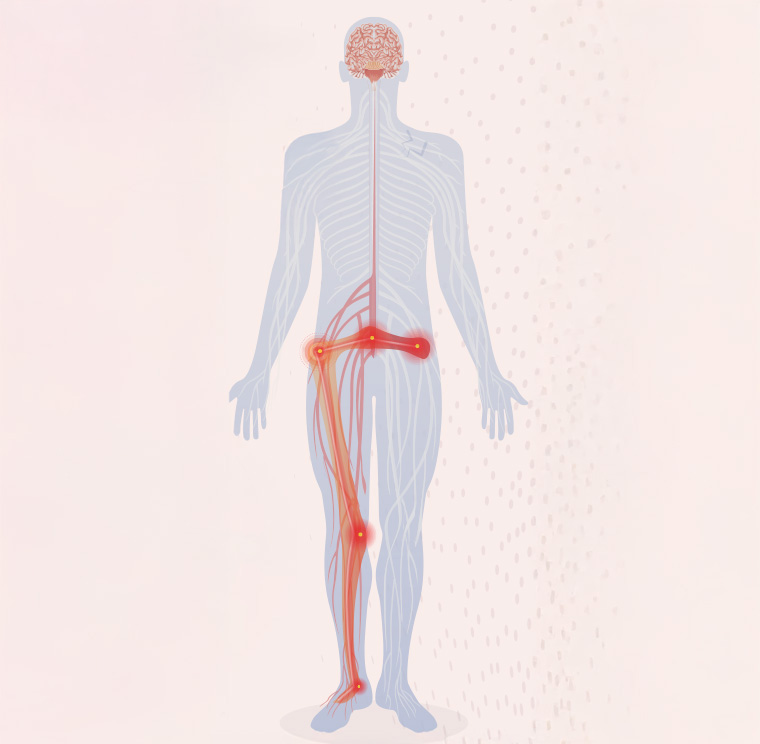
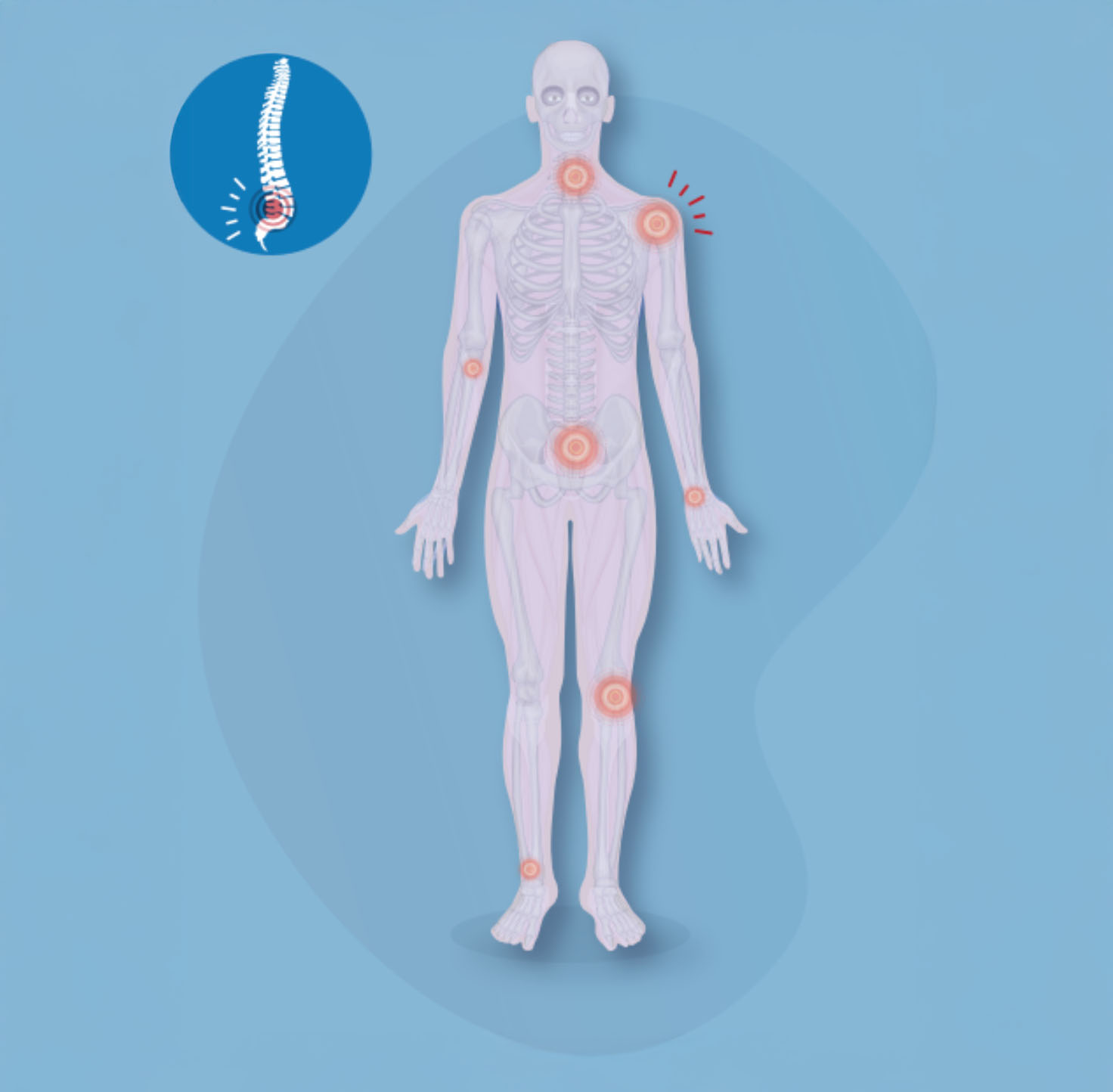
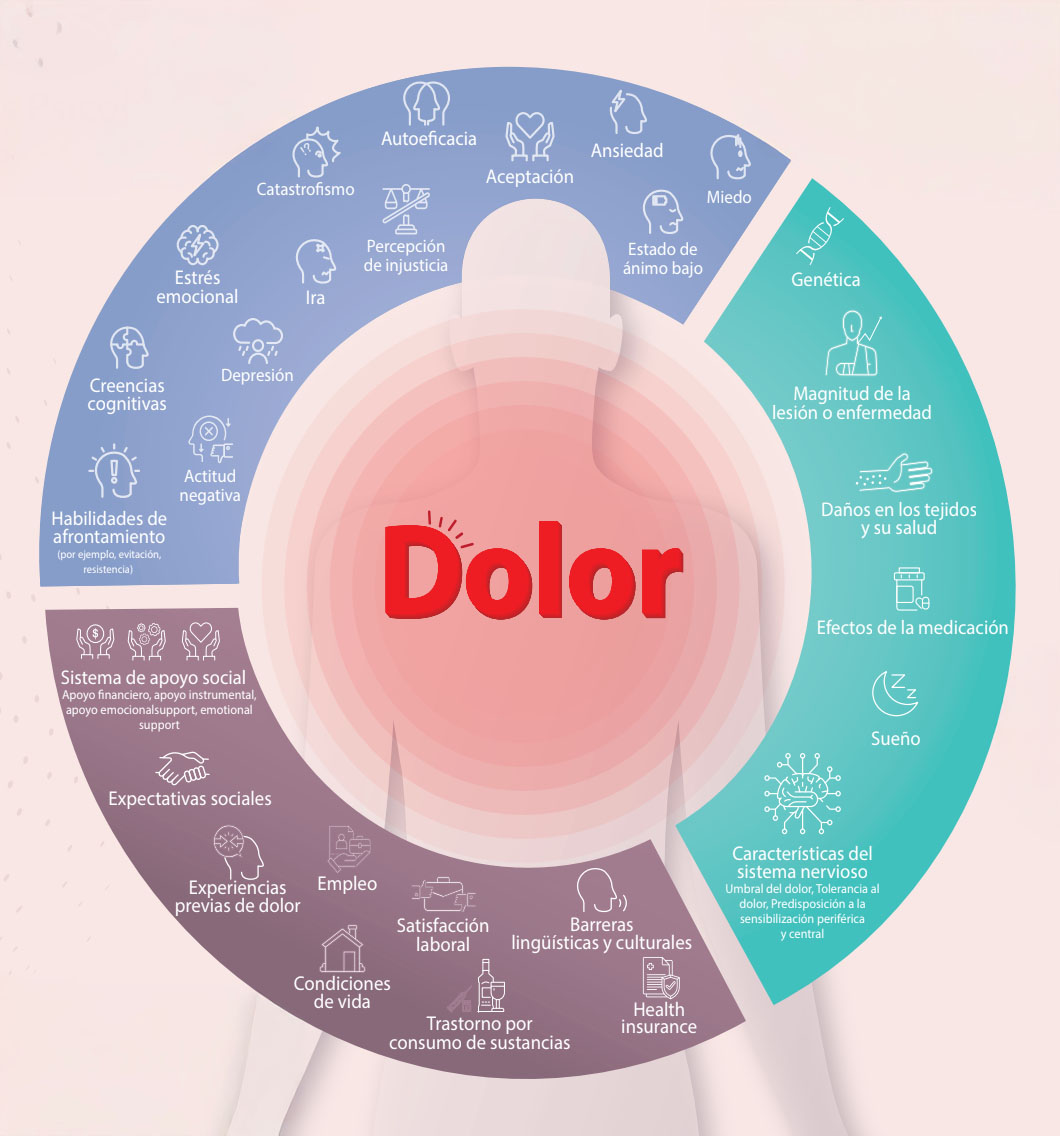

Documento de posición de SIP sobre la atención preventiva para el dolor crónico
Esta declaración presenta la posición conjunta de la Federación Europea del Dolor EFIC y la Pain Alliance Europe (PAE) sobre la necesidad de dar prioridad a la prevención del dolor crónico. Presenta recomendaciones clave dirigidas tanto a los responsables políticos de la UE como a los responsables políticos nacionales, con el fin de catalizar la acción y el cambio sistémico en este ámbito.
descargarDeclaración conjunta de la SIP sobre el dolor y la salud mental
Presentación de la posición común de las organizaciones abajo firmantes en relación con el dolor y la salud mental
descargarMonografía resultante del Foro sobre el Impacto Social del Dolor en España celebrado en marzo de 2022 por la iniciativa SIP de la EFIC
Jornadas virtuales del Foro sobre el impacto social del dolor en España enmarcadas en las actividades de la iniciativa europea llamada Impacto Social del Dolor
descargarNew Eurostat Article: Development of Occupational Diseases
New statistics published by Eurostat illustrate the progress of seven specific musculoskeletal disorders. Notably, among these, two occupational diseases/conditions showed the most significant declines (out of the 16 diseases covered in this article) between 2013 and 2021.
consultarA Societal Impact of Pain (SIP) Platform Position Paper on the International Classification of Diseases 11th Revision (ICD-11)
SIP’s Joint Statement calls to explore opportunities to build on existing instruments which are available to define, establish and / or use pain as an indicator in the assessment of healthcare systems’ quality, as this will contribute to assessing and filling the data gap on the societal impact of pain.
consultarSIP position on the importance of addressing cancer related pain management in theEurope’s Beating Cancer Plan and beyond.
The Europe’s Beating Cancer Plan will be published by the European Commission by the end of 2020. The new European cancer plan will set out actions that support, coordinate or supplement Member States’ efforts to improve the prevention, detection, treatment and management of cancer in the EU.
consultarSIP Position on Workplace Integration and Adaptation
SIP believes that a comprehensive, evidence-based, multidisciplinary approach to employment policy is essential to ensure those living with chronic pain can remain in or return to work. Following the global pandemic, several workplace adaptations have already been created. Thus, it is an even more critical time for action by European Institutions, national governments, and employers to take action to support a healthy and productive European workforce and society
consultarSIP Position on Digital Health: Pain Assessment and Quality Indicators
In Europe1 there are approximately 740 million people, most of whom experience an episode of severe pain at some point in their life. For approximately 20 percent, that pain is chronic pain. This means that, at present, 150 million people are experiencing pain across Europe, approximately equal to the population of France and Germany combined
consultar